When Back-to-School Jitters Are More Than Nerves
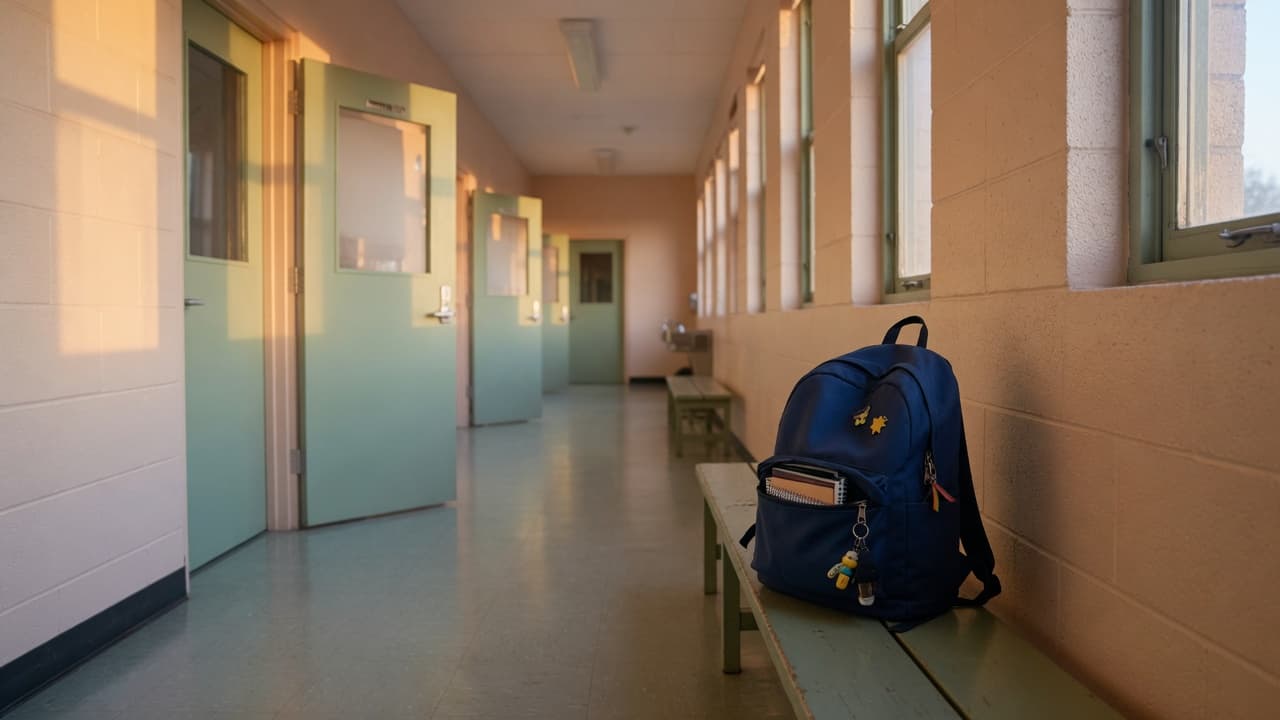
The first-week butterflies that don’t leave
Some nerves before a new school year are completely normal. New teachers, new schedules, locker combinations, friend groups that shifted over the summer — of course a teen’s body and brain get loud for a bit.
As a therapist working with teens and families in Eagle, Idaho (and across the Boise area, including virtually), I hear a version of this every August:
“I thought it was just first-day jitters… but it’s still hard.”
When the dread stretches past the first week or two — when mornings fall apart, sleep disappears, or your teen starts avoiding school altogether — it may be more than nerves. That doesn’t mean you failed as a parent. It means their nervous system is asking for more support.
Normal jitters vs. something heavier
Normal back-to-school nerves often look like:
- A few rough mornings that settle once the routine sticks
- Extra questions, reassurance-seeking that eases with time
- Mild stomach flutters that fade after drop-off
- Excitement mixed with worry
It may be more than jitters when you see:
- Stomachaches, headaches, or “I feel sick” that show up most on school days
- Panic-level dread, tears, or shutdown at the door
- Sleep that won’t come — or early-morning wake-ups full of worry
- Avoidance that grows (nurse visits, late starts, full refusal)
- Withdrawal from friends, activities, or things they usually enjoy
- Irritability that feels bigger than “teen mood”
- Grades or focus dropping fast because anxiety is eating the bandwidth
Patterns matter more than any single hard morning. You’re not looking for a perfect teen. You’re noticing whether life is getting smaller.
Why school ramps the body up
School isn’t one stressor — it’s a stack. Social dynamics, performance pressure, sensory overload, early alarms, sports, screens late at night, and the invisible work of “holding it together” all day.
Teens often don’t say “I’m anxious about second period.” They say:
- “My stomach hurts.”
- “I can’t sleep.”
- “I just don’t want to go.”
- “I’m fine.” (while their body is clearly not)
Body-first anxiety is common. Believing the body and getting curious about stress is usually more helpful than debating whether the stomachache is “real.”
What helps at home (without turning into the anxiety coach from hell)
1. Name it gently.
“It makes sense that school feels big right now. Your body’s working hard.”
2. Keep mornings boring and predictable.
Same wake time, same breakfast anchor, fewer last-minute debates. Predictability lowers the threat level.
3. Problem-solve one small piece — not the whole year.
One hard class. One lunch table. One sleep tweak. Big overhauls overwhelm an already overloaded system.
4. Separate safety from comfort.
Some discomfort is part of growth. Ongoing panic, shutdown, or physical symptoms that won’t settle deserve more than “push through.”
5. Partner with the school when needed.
Counselors, trusted teachers, and simple accommodations (check-ins, seating, reduced late-work pileups) can take pressure off while skills catch up.
6. Watch your own anxiety in the doorway.
Teens borrow our calm — and our panic. A steady “We’ll get through this morning together” lands better than a lecture.
When to reach for professional support
Consider a teen therapist if school anxiety is:
- lasting beyond the settling-in window
- showing up as frequent physical symptoms
- driving avoidance, meltdowns, or depression signs
- straining the whole household every morning
- making your teen feel ashamed or hopeless
Therapy can help them map what their body is saying, build tools that fit real school days, and give parents language that doesn’t turn every sunrise into a battle.
A hopeful bottom line
Back-to-school jitters are human. Stuck, body-heavy, life-shrinking anxiety is a signal — not a character flaw.
If you’re in Eagle, the Boise area, or anywhere in Idaho and mornings have become the hardest part of your family’s day, you don’t have to white-knuckle the semester alone. In-person and virtual support can make that first step more doable.
The goal isn’t a fearless teen. It’s a supported one — and a household that can breathe again on school days.
If you're ready to take the next step, I'd love to chat.
Book a Consultation